
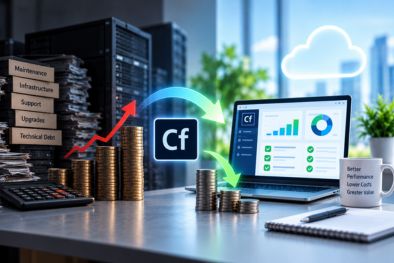
How to Reduce ColdFusion Cost of Ownership
Many organizations continue to rely on ColdFusion applications that have supported their business operations for years. These applications often manage critical workflows, customer data, reporting systems, and internal business processes.
However, as applications age, the cost of maintaining them can gradually increase. Infrastructure expenses, maintenance effort, performance issues, security updates, and integration challenges can all contribute to a higher Total Cost of Ownership (TCO).
The good news is that reducing ColdFusion Cost of Ownership does not necessarily require a complete application rewrite. In many cases, businesses can significantly lower operational expenses through targeted modernization and optimization initiatives.
Understanding ColdFusion Cost of Ownership
The cost of owning and maintaining a ColdFusion application extends far beyond licensing fees.
Many businesses focus only on direct software costs while overlooking the operational expenses that accumulate over time. These can include infrastructure management, application maintenance, troubleshooting, security updates, database administration, and support resources.
As applications become more complex, technical debt often increases. Older codebases may require additional development effort, and outdated infrastructure can lead to higher operational overhead.
Reducing total cost of ownership begins with identifying the areas where resources, time, and money are being consumed unnecessarily.
Identify the Real Cost Drivers
Before attempting to reduce costs, it is important to understand what is driving them.
Many ColdFusion environments experience rising costs due to a combination of aging infrastructure, inefficient application performance, and increasing maintenance requirements.
Common cost drivers often include:
- Legacy server infrastructure
- Frequent performance issues
- Manual maintenance processes
- Security vulnerabilities
- Inefficient database operations
- High support requirements
A technical assessment can help identify which factors have the greatest impact on operational costs and where improvements will generate the highest return on investment.
Optimize Application Performance
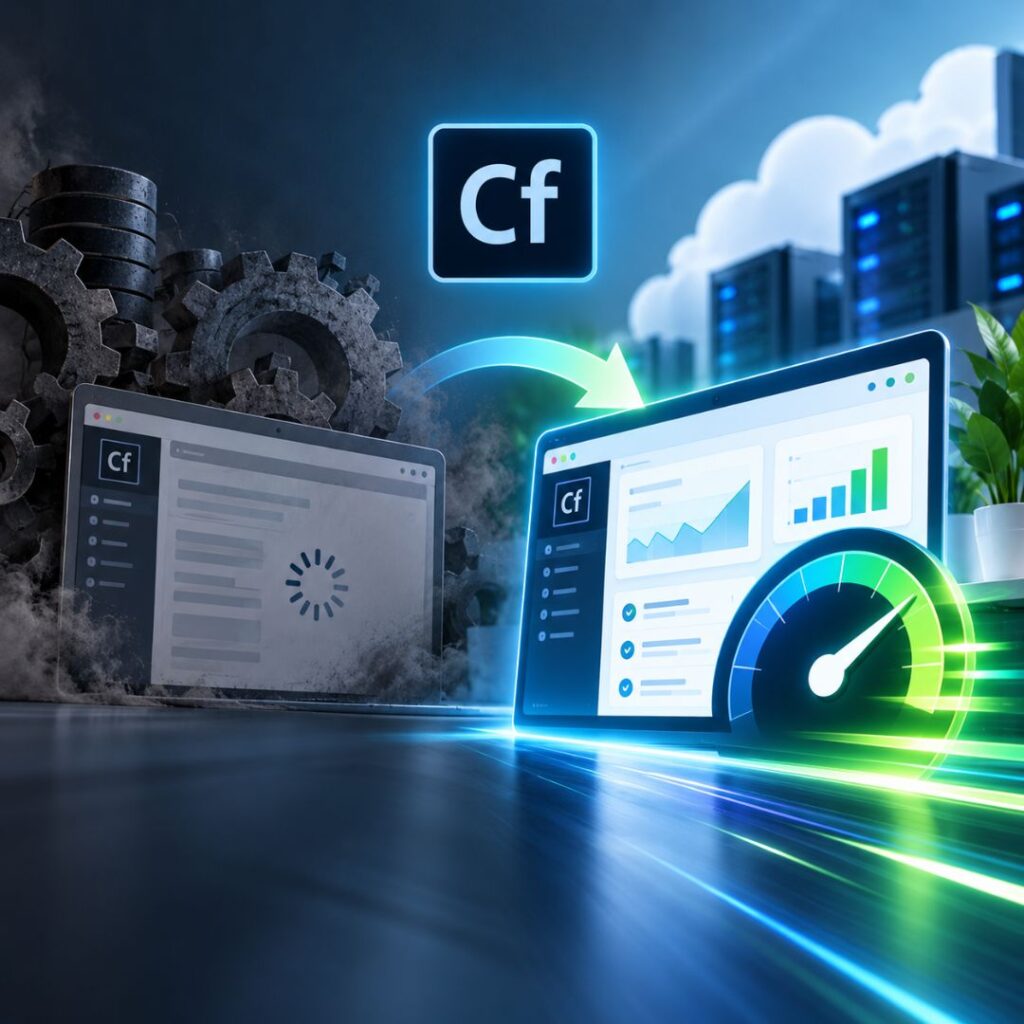
Poor application performance can have a direct financial impact on a business.
Slow systems reduce employee productivity, increase support requests, and create frustration for both customers and internal users. Performance issues also place additional strain on infrastructure resources.
In many cases, ColdFusion applications accumulate years of code changes, feature additions, and database growth that gradually affect efficiency.
Performance optimization may involve:
- Database query tuning
- Code refactoring
- Caching improvements
- Server configuration optimization
- Removal of unnecessary processes
Even modest performance improvements can reduce infrastructure demands while improving the user experience.
Reduce Infrastructure Costs Through Cloud Migration
Many legacy ColdFusion applications still operate on dedicated on-premise servers. While these environments may continue to function effectively, they often require ongoing investment in hardware, maintenance, power, cooling, backups, and disaster recovery.
Cloud platforms provide a more flexible alternative.
Migrating a ColdFusion application to AWS, Microsoft Azure, or Google Cloud can help businesses align infrastructure costs with actual usage requirements. Instead of maintaining hardware that may be underutilized, organizations can scale resources as needed.
Cloud migration can also reduce operational complexity while improving reliability and business continuity.
Modernize Instead of Rebuild
One of the biggest misconceptions surrounding legacy applications is that a complete rewrite is the only path forward.
In reality, rewriting an application often represents one of the most expensive options available. Large redevelopment projects can take months or even years to complete while introducing significant business risk.
A phased modernization strategy is often far more cost-effective.
Businesses can improve user interfaces, enhance security, modernize integrations, and optimize performance without replacing the core application. This approach preserves existing business logic while reducing the cost and disruption associated with a full rebuild.
Improve Maintainability
Applications that are difficult to maintain typically become more expensive over time.
When developers struggle to understand legacy code, even minor updates can require significant effort. This increases maintenance costs and slows the implementation of new business requirements.
Improving maintainability often involves cleaning up code, improving documentation, reducing complexity, and standardizing development practices.
While these improvements may not always be visible to end users, they can significantly reduce long-term development and support costs.
Strengthen Security Proactively
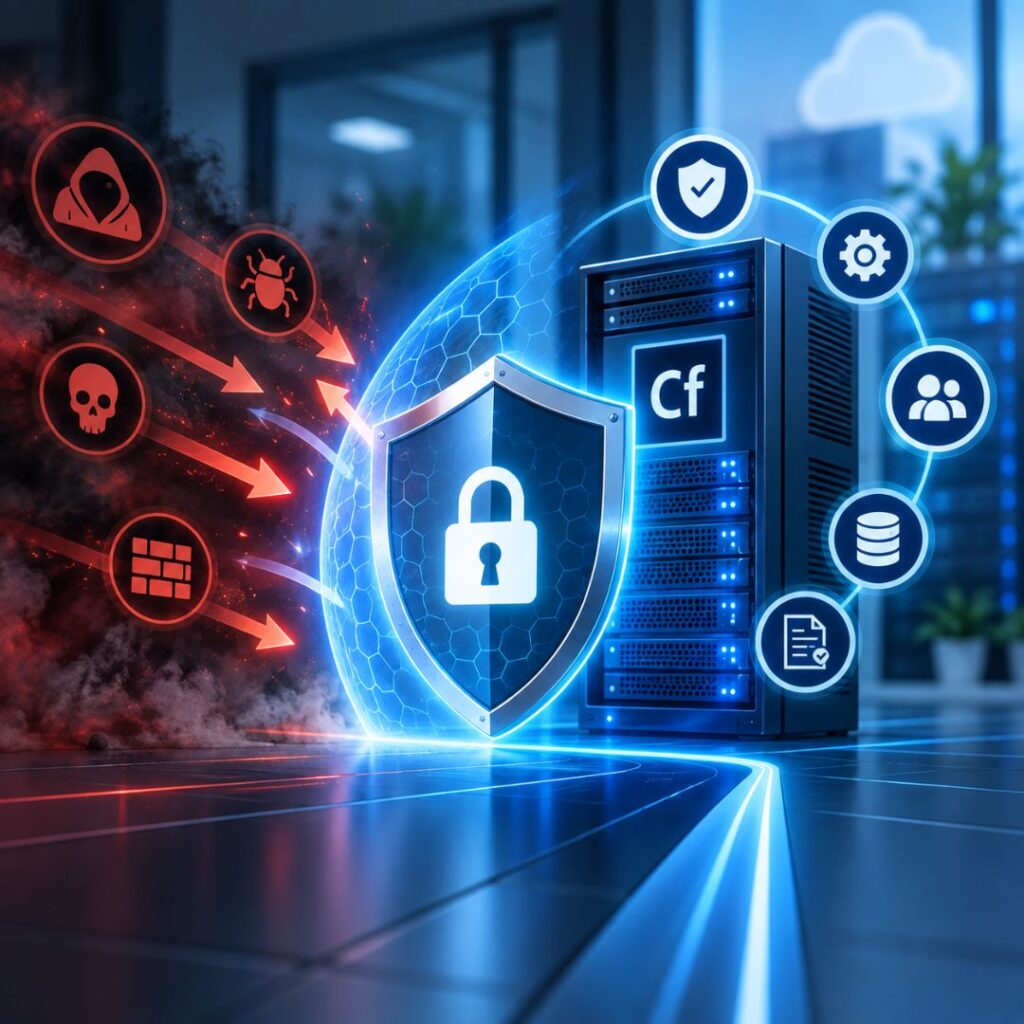
Older ColdFusion applications often contain outdated components, unsupported versions, legacy authentication mechanisms, or unpatched vulnerabilities that increase organizational risk. As cyber threats continue to evolve, systems that are not regularly maintained become increasingly attractive targets for attackers.
Addressing security issues only after problems occur is often far more expensive than taking preventive measures. Emergency remediation efforts can disrupt business operations, consume valuable IT resources, and lead to unexpected costs that could have been avoided through proactive security management.
A structured security strategy should include regular ColdFusion updates, vulnerability assessments, access control reviews, code audits, secure configuration management, and continuous monitoring. Businesses should also periodically evaluate third-party integrations, server infrastructure, and user permissions to ensure they align with current security best practices.
Modern security measures can help protect sensitive business data, improve system reliability, and support compliance with industry regulations and customer security requirements. By strengthening security proactively, organizations can reduce the likelihood of costly incidents while ensuring their ColdFusion applications remain secure, stable, and capable of supporting long-term business growth.
Streamline Third-Party Integrations
Many ColdFusion applications rely on multiple external systems to support business operations.
Over time, integrations can become inefficient, outdated, or difficult to maintain. Poorly designed integration processes often create manual work, increase support requirements, and slow operational workflows.
Modern API-based integration strategies help simplify communication between systems while reducing maintenance effort.
Improved integration architecture not only lowers operational costs but also supports future scalability and digital transformation initiatives.
How LoreMine Helps Reduce ColdFusion Ownership Costs
At LoreMine, we help organizations maximize the value of their existing ColdFusion applications while reducing long-term operational expenses.
Our team works with businesses to identify cost drivers, improve application performance, modernize infrastructure, strengthen security, and create practical modernization roadmaps.
Our ColdFusion services include:
- Application assessments
- Performance optimization
- Cloud migration
- UI modernization
- API and system integration
- Security enhancements
- Ongoing application support
Rather than recommending unnecessary redevelopment projects, we focus on helping businesses achieve measurable improvements while protecting existing investments.
Final Thoughts
Reducing ColdFusion cost of ownership is not simply about lowering software expenses. It requires a broader strategy that addresses performance, infrastructure, security, maintainability, and operational efficiency.
By optimizing existing applications, modernizing strategically, and reducing technical debt, businesses can significantly lower long-term costs without the risks associated with a complete rebuild.
With the right modernization approach, ColdFusion applications can continue to deliver value while supporting future business growth.
Discover how LoreMine can help you optimize performance, modernize infrastructure, and reduce the total cost of owning and maintaining your ColdFusion applications.